Education · Restoration · Leadership

Uplifting people.
Restoring communities.
Advancing leadership.

Prime Time brings together youth development, restorative practice, professional learning, and public service recognition through a shared commitment to helping people and institutions build the capacity to move forward.

Official Prime Time Mentoring and Tutoring Educational Services logo

Greater Lansing roots. Expanding purpose. Measurable public value.

Start with what you need

One mission. Four ways to engage.

Prime Time works with young people, families, schools, organizations, public institutions, and community partners. Select the pathway that best matches the work in front of you.

Prime Time today

Support that reaches beyond a single lesson.

The IRS recognized Prime Time as tax-exempt under Section 501(c)(3), effective August 28, 2018. The organization serves Greater Lansing through tutoring, mentoring, restorative justice, training, consulting, and collaborative problem-solving.

We create inclusive, trauma-informed spaces where people can become more engaged, confident, accountable, and resilient. Our work brings schools, caregivers, community partners, and public-service leaders together to build supportive systems capable of producing lasting growth.

ConnectionOpen

What it means: People make progress when they are known, heard, and connected to support.

How Prime Time puts it into practice: We bring young people, caregivers, schools, organizations, and community partners into relationships built on listening, consistency, and respect.

What it can produce: Stronger engagement, earlier problem-solving, and a network that helps people keep moving forward.

AccountabilityOpen

What it means: Accountability is more than identifying what went wrong. It means understanding impact, accepting responsibility, making repair, and following through.

How Prime Time puts it into practice: We establish clear expectations, support honest reflection, and help people develop realistic steps toward improvement.

What it can produce: Better decisions, restored trust, and responsibility that encourages growth rather than shame.

EmpowermentOpen

What it means: People should leave an experience with greater voice, confidence, knowledge, and ability to act.

How Prime Time puts it into practice: We teach practical skills, create room for participation, and help people recognize their own capacity to solve problems and lead.

What it can produce: Independent learners, stronger advocates, and community members prepared to shape their own futures.

Public ServiceOpen

What it means: Leadership should create value beyond the individual and strengthen the people and institutions it serves.

How Prime Time puts it into practice: We connect education, restorative practice, community engagement, and institutional learning to real public needs.

What it can produce: More responsive organizations, stronger community trust, and solutions designed to last.

Three connected areas of work

Capacity begins with people.

Our services are designed for families, schools, organizations, and community partners seeking practical support grounded in education, restoration, and responsible leadership.

01

Youth & families

Tutoring & Mentoring

Individualized educational and developmental support that helps young people strengthen academic confidence, self-awareness, goal-setting, independent learning, and engagement.

  • Academic support and skill development
  • Mentoring, confidence, and accountability
  • Coordination with caregivers and schools
Explore this service

What the work can look like

Support begins with the young person’s actual needs. A plan may combine academic coaching, regular mentoring conversations, goal-setting, progress check-ins, and coordination with caregivers or school staff.

Why it matters

Academic challenges are often connected to confidence, relationships, routines, and access to support. Addressing those factors together helps a young person develop skills that extend beyond one assignment or school year.

Who can contact us

Families, schools, youth-serving organizations, and community partners seeking individual or group support.

Ask about tutoring and mentoring
02

Schools & communities

Restorative Justice Services

Healing-centered approaches that help people address conflict, strengthen relationships, build accountability, and create conditions for meaningful repair.

  • Restorative conversations and facilitation
  • Conflict response and relationship repair
  • Community-centered problem-solving
Explore this service

What the work can look like

Prime Time can help prepare and facilitate structured conversations, restorative circles, conflict-response processes, and relationship-repair planning. The approach is adapted to the people, harm, setting, and readiness involved.

Why it matters

Conflict that is ignored or handled only through punishment can leave the underlying harm in place. Restorative practice creates a process for voice, responsibility, repair, and safer future interaction.

Who can contact us

Schools, families, nonprofits, community groups, and institutions seeking a constructive response to conflict or damaged trust.

Ask about restorative services
03

Organizations & leaders

Training & Consulting

Practical learning and advisory support for organizations working to improve engagement, institutional trust, leadership practice, and community outcomes.

  • Professional learning and workshops
  • Program and engagement strategy
  • Institutional and community partnerships
Explore this service

What the work can look like

Support may include customized workshops, facilitated planning, program review, community-engagement strategy, restorative-practice development, and advice on building accountable partnerships.

Why it matters

Organizations often know what they want to improve but need help translating values into repeatable practices, clear expectations, and measurable follow-through.

Who can contact us

Schools, nonprofits, public institutions, leadership teams, and community coalitions seeking practical capacity-building.

Review consulting capabilities

Community partnerships

Progress is built through a supportive network.

Prime Time welcomes conversations with schools, families, nonprofit organizations, public institutions, community leaders, and others committed to educational access, restorative practice, and durable community improvement.

Start a conversation

A foundation built through service

Local experience with an expanding reach.

Prime Time has grown from direct tutoring and mentoring into a broader platform for restoration, leadership development, institutional learning, and international engagement.

Each stage reflects the same purpose: building the confidence, relationships, and capacity people need to move forward.

Chuck Grigsby engaging with a diverse group of young people at a community activity
Youth-centered engagementLearning begins with connection.

Trust grows through presence, conversation, encouragement, and consistent support. Those relationships give young people room to ask questions, build confidence, and recognize their own ability to move forward.

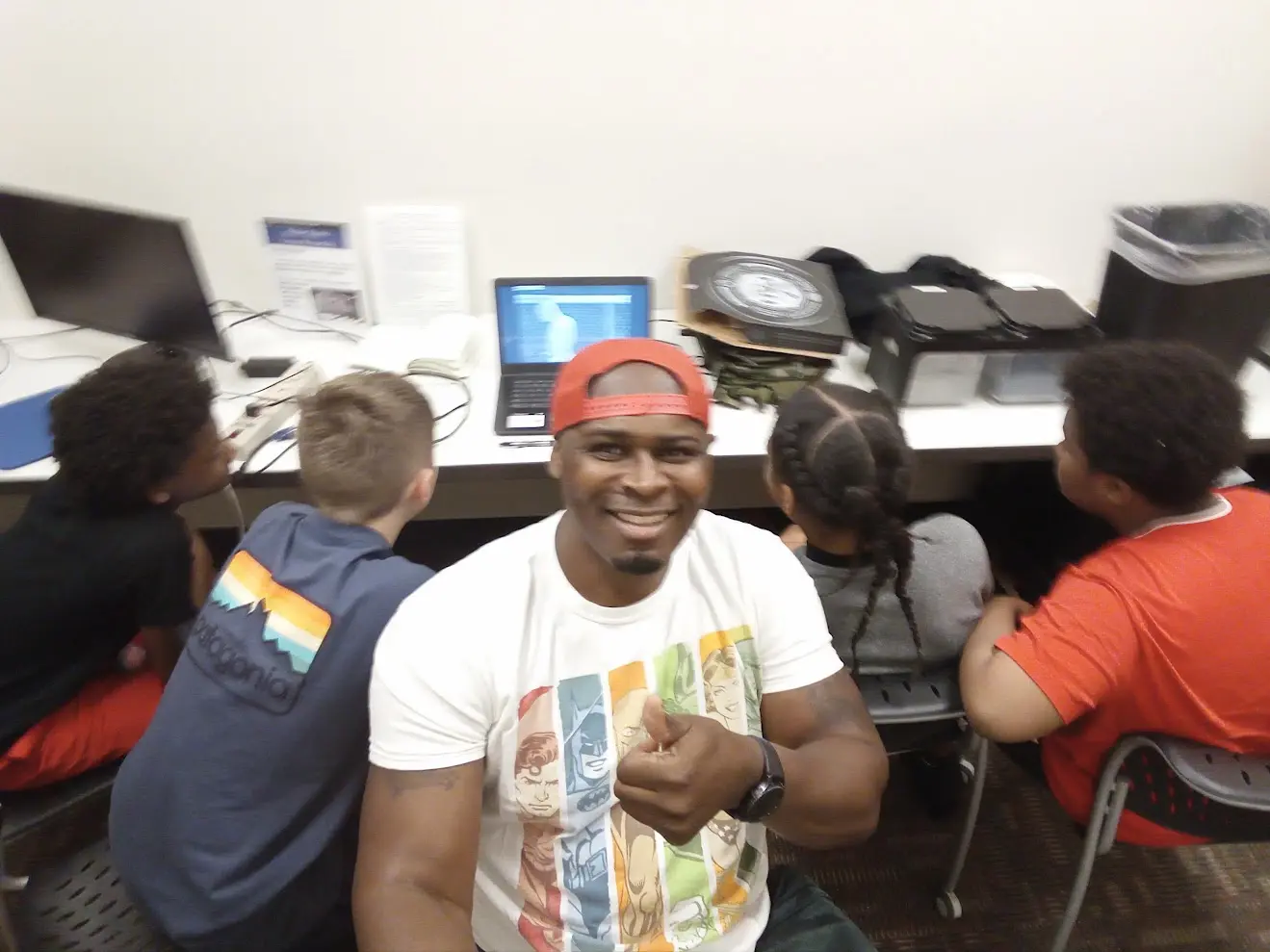
Chuck Grigsby seated informally with a diverse group of young people around computers
Community-based mentoringRelationships create the opening for growth.

This informal Prime Time setting reflects the restorative side of mentoring: being present, listening without judgment, sharing space, and building enough trust for learning and accountability to take root.

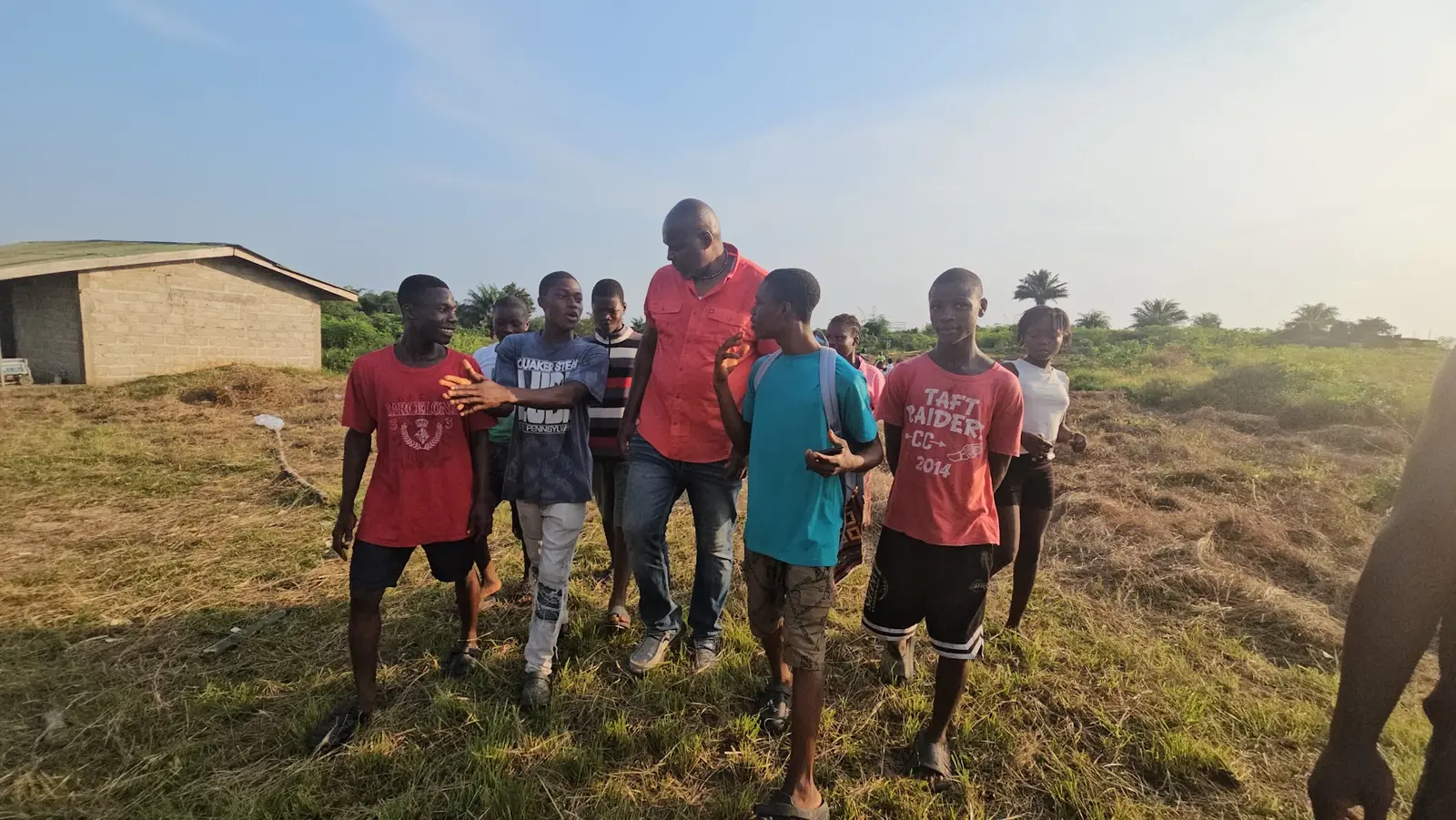
Chuck Grigsby walking and speaking with young people during a mission visit in Liberia
International engagementLiberia is the current setting. Capacity-building is the larger initiative.

Prime Time’s international work grows from the same approach used locally: listen first, develop trusted relationships, and help people and institutions strengthen the skills, systems, and partnerships they can sustain. Liberia is the present destination for that work, with an emphasis on youth development, public-service leadership, institutional learning, and community capacity.

Launching 2026

International Leadership & Public Service Award

One annual flagship honor recognizing leadership that strengthens institutions, public trust, community safety, and human dignity.

The inaugural recognition centers on Liberia and the relationship between national leadership, professional public safety, institutional capacity, and public confidence. Formal presentation remains subject to recipient acceptance and official protocol.

Why Prime Time created this recognition

Public progress also depends on leaders willing to move institutions forward.

Prime Time began by helping young people recognize their capacity, accept responsibility, and make purposeful decisions. This award carries that same belief into public leadership. It recognizes change agents whose documented work helps institutions become more accountable, capable, trusted, and responsive to the people they serve.

Leadership of this kind deserves acknowledgment because it can establish a standard for others, strengthen momentum behind meaningful reform, and show communities what responsible public service can produce.

2026 begins the tradition.

This inaugural initiative is the first chapter of an annual international recognition. Each year, Prime Time will identify one flagship honoree whose publicly documented leadership reflects the award’s purpose. Liberia is the starting point for 2026, while the long-term vision is international.

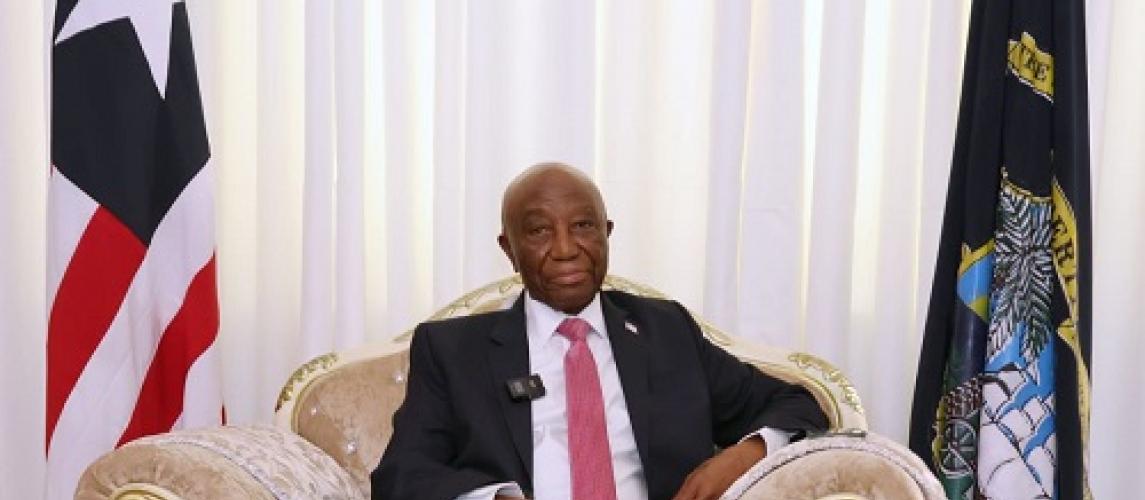
President Joseph Nyuma Boakai seated between the Liberian flag and the presidential standard
Official image source: Executive Mansion, Republic of Liberia
Flagship annual award2026 · Inaugural

Proposed inaugural recipient

His Excellency
Joseph Nyuma Boakai, Sr.

President of the Republic of Liberia

Proposed for recognition of public leadership connected to the rule of law, accountable government, national stability, institutional strengthening, and the professionalization of Liberia’s security sector.

Rule of law

The administration has connected national development to a justice system that is independent, accessible, timely, and worthy of confidence. Its documented work includes support for judicial reform and the commissioning of judicial officers with an explicit charge of integrity, professionalism, and constitutional responsibility.

Review the official record
Institutional integrity

In October 2024, President Boakai launched the Performance Management and Compliance System to establish performance standards, monitor government delivery, and strengthen accountability across ministries, agencies, and commissions.

Review the official record
National leadership

The ARREST Agenda for Inclusive Development, launched in January 2025, established a national framework centered on infrastructure, governance, economic renewal, education, health, women, and youth. The plan was developed through consultations across sectors and includes monitoring intended to measure implementation.

Review the official record
Public trust

President Boakai has publicly framed government service as a trust and tied that responsibility to integrity, performance, transparency, asset declaration, and results. This focus provides a direct connection between the conduct of public officials and citizens’ confidence in government.

Review the official record
Liberia National Police Inspector General Gregory Coleman seated at his desk in uniform
Official image source: Liberia National Police
Special recognitionPublic Safety Leadership

Connected to the inaugural initiative

Hon. Gregory O. W. Coleman

Inspector General, Liberia National Police

A distinct special recognition for national public safety leadership, including the responsibility of guiding the Liberia National Police while advancing professional standards, institutional capacity, accountable service, and public confidence. This recognition is separate from the single annual flagship award.

National public safety

As Inspector General, Coleman has emphasized coordinated planning across Liberia’s security institutions. During the 2024 nationwide election-security review, he called for accurate lessons, challenges, and recommendations to guide future operations.

Review the documented initiative
People-centered policing

Public engagement has included legal education, youth outreach, drug-prevention awareness, and collaboration with children’s leadership bodies. This work reflects a view of public safety that includes education, relationships, and community participation.

Review the documented initiative
Professional standards

The Liberia National Police describes professional standards as the enforcement of conduct, ethics, accountability, and service expectations. Oversight structures also address police conduct, training, management, promotion, and internal grievances.

Review the LNP standard
Institutional capacity

During Coleman’s current tenure, the LNP has continued work to strengthen digital case management, crime information, staff capability, and long-term institutional ownership. These improvements support more accurate records, better coordination, and data-informed decisions.

Review the documented initiative
One flagship award. Purposeful special recognition.

Prime Time may issue a special recognition when a specific initiative or institutional contribution merits acknowledgment. A special recognition does not constitute an additional recipient of the annual International Leadership & Public Service Award.

A clear reason behind every recognition.

This section explains what Prime Time looks for, what evidence supports the decision, and how the recognition serves a larger public purpose.

We are recognizing specific, documented leadership connected to Prime Time’s mission. That recognition should not be read as approval of every decision made by a recipient, administration, office, or institution.

1. What are we recognizing?Mission connection

We identify leadership that advances one or more parts of Prime Time’s purpose: education, human dignity, restorative practice, responsible public service, safer communities, stronger institutions, and greater public trust.

2. What supports the recognition?Documented public record

We review official records, public initiatives, credible reporting, and other verifiable evidence. The specific areas listed with each proposed recipient show the current public basis for recognition.

3. How is the decision handled?Independent and ethical process

The recognition must be lawful, transparent, modest, and appropriate to the recipient’s office. Prime Time acts independently and does not offer recognition in exchange for access, influence, funding, employment, contracts, or favorable treatment.

4. What should come from it?Learning and responsible follow-through

The goal is more than a ceremony. The initiative should encourage institutional learning, constructive dialogue, relationship-building, and continued attention to leadership practices that create measurable public value.

Independence & ethics

Recognition is never an exchange for access.

The award and special recognition are non-monetary and carry no promise of funding, employment, contracts, political support, government action, meeting access, or favorable treatment.

The initiative is independent and non-governmental. It is not issued by or on behalf of the City of East Lansing, a university, the United States government, or any Liberian government entity.

Chuck Grigsby, Founder and Executive Director of Prime Time
Founder and Executive Director

Founder and Executive Director

Chuck Grigsby

A practitioner connecting education, restorative justice, public safety, institutional accountability, and community leadership.

Prime Time’s evolution is grounded in experience across youth development, criminal justice, investigation, restorative practice, police oversight, public education, and municipal governance. That range allows the organization to approach learning, conflict, leadership, and institutional trust as connected challenges rather than isolated services.

What began as a family-supported tutoring and mentoring effort now provides the foundation for broader restorative, training, consulting, partnership, and international public-service initiatives.

Read the full professional biographyBackground, experience, and qualifications

Who is Chuck Grigsby?

Leadership formed through service, discipline, and lived experience.

Chuck Grigsby is a student-engagement professional, justice practitioner, certified mediator, nonprofit founder, and public official whose work centers on helping people and institutions move from concern to constructive action. As a husband and father, he understands leadership as both professional responsibility and personal commitment. His purpose is reflected in Prime Time’s promise to uplift people, restore communities, and advance leadership.

His approach begins with listening, relationship-building, and a careful examination of the facts. From there, he works to translate community values into clear expectations, practical processes, and durable institutional change. That method allows him to work across differences, support accountability without abandoning dignity, and connect moral purpose to the systems required for lasting results.

Youth development and education

Helping young people reconnect with possibility

Grigsby founded Prime Time Mentoring & Tutoring Educational Services in 2018 to provide young people and families with academic support, mentoring, encouragement, and stronger connections to schools and community resources. The work grew from direct service into a broader practice involving restorative conversations, caregiver collaboration, emotional awareness, accountability, and long-term decision-making.

Since 2022, he has worked in student engagement at Michigan Connections Academy, supporting students and caregivers through outreach, engagement planning, academic progress, and coordinated intervention. Previously, he served as School and Community Engagement Director for Great Lakes Learning Academy from 2018 to 2022.

Criminal justice and investigation

Experience examining systems and their human impact

Earlier in his career, Grigsby served as an Investigator II with the Crime Victim Assistance Division of the Iowa Attorney General’s Office. His responsibilities included reviewing cases and records, evaluating victim-compensation eligibility, developing recommendations, and coordinating with law-enforcement agencies and service providers.

That experience strengthened his understanding of how policies, documentation, professional judgment, and institutional handoffs affect real people. It continues to inform his interest in fair decision-making, reliable processes, victim-centered practice, public safety, and institutional accountability.

Restorative practice

Accountability that creates a path forward

Grigsby is certified in mediation and restorative justice through Central Michigan University in partnership with Mediators Without Borders. His practice emphasizes preparation, careful questioning, active listening, reflection, reframing, responsibility, and meaningful repair.

He views restorative justice as more than a response to conflict. It is also a leadership framework that helps schools, organizations, families, and communities address harm while strengthening the relationships and skills needed to prevent its repetition.

Public leadership and governance

Turning public values into sustainable policy

Grigsby was elected to the East Lansing City Council in November 2025 and selected by his colleagues to serve as Mayor Pro Tem. His municipal work includes public-safety oversight, government accountability, budgeting, infrastructure, regional collaboration, community development, and the practical responsibilities of governing.

Before joining Council, he chaired the East Lansing Human Rights Commission and the community study process that helped develop the city’s independent police-oversight framework. That work brought residents, police representatives, city staff, and policy expertise into a structured process. He helped develop and advance the framework but has not served as a member of the resulting oversight commission.

His broader civic record includes leadership with East Lansing Info and service connected to regional workforce development. Across those roles, he has sought to operate as a bridge between community concerns and the institutions responsible for producing change.

Education and credentials

Continuous learning connected to practice

  • Doctor of Criminal Justice in Criminal Justice LeadershipLiberty University; degree in progress
  • Master of Arts in Criminology and Criminal JusticeArizona State University
  • Bachelor of Arts in Criminal JusticeGrand View University
  • Certification in Mediation and Restorative JusticeCentral Michigan University and Mediators Without Borders

His academic work examines leadership, research, criminal justice systems, documentation, institutional practice, and the relationship between public policy and equitable outcomes.

Professional athletics

Discipline, resilience, and performance under pressure

Before and alongside his public-service career, Grigsby competed as a professional athlete in basketball and mixed martial arts. Those experiences shaped his understanding of preparation, teamwork, resilience, accountability, and the ability to remain composed when expectations are high.

He now brings those lessons into mentoring and leadership: prepare seriously, respect the people around you, accept honest evaluation, adjust when necessary, and continue moving toward the larger goal.

The work today

Building capacity from the individual level to the institutional level.

Through Prime Time, Grigsby brings together tutoring, mentoring, restorative justice, professional learning, consulting, community partnership, and international engagement. The common thread is capacity: helping a student build confidence, helping people repair a relationship, helping an organization improve its practices, or helping public institutions strengthen trust and accountability.

His developing body of work is rooted in a practical belief that sustainable change requires people who can understand both community experience and institutional process. He works within systems while remaining connected to those outside them, seeking reforms that are credible, measurable, and capable of lasting beyond a single meeting, program, or leader.


Connect with Prime Time

Let’s discuss the work in front of you.

Contact our Greater Lansing nonprofit regarding restorative justice services, training and consulting, tutoring and mentoring, speaking, or a potential community partnership.